2026 Grant Recipients
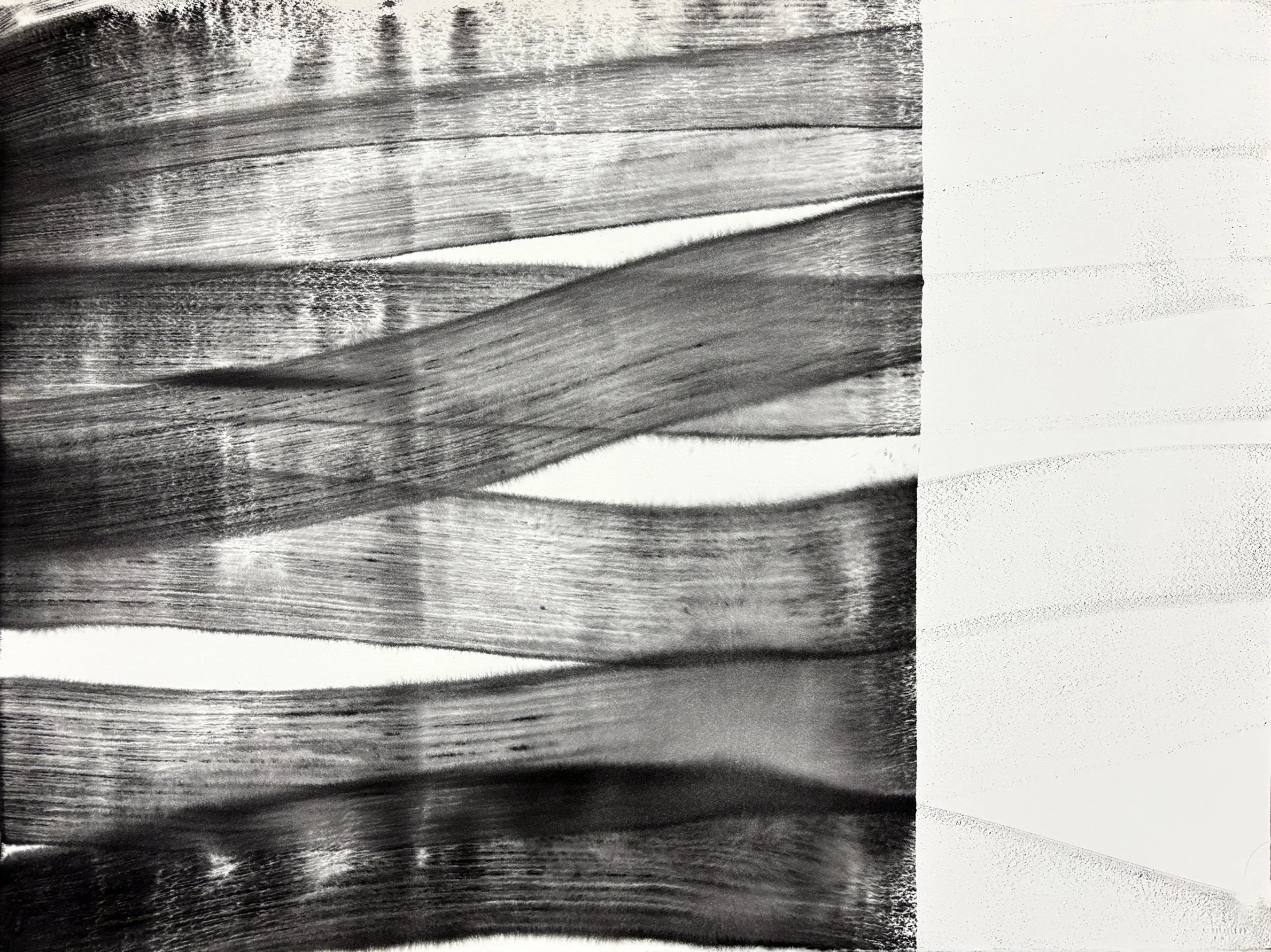
Agathe De Bailliencourt
Berlin, Germany
@agathedebailliencourt
Split Focus 43, 2024
Ink on paper
30 x 22 inches
Agathe de Bailliencourt is an artist born in Paris and currently based in Berlin. Since 2005, her work has been shown internationally, including in solo exhibitions in New York, London, Paris, Copenhagen, and Hamburg. Residencies include Tokyo Wonder Site (2009); Lower Manhattan Cultural Council (2011-2012); Art Omi, NY (2012); Marfa Contemporary in Texas (2013-2014); the Jon Schueler Scholarship in Scotland (2016); Villa Medici in Rome (2024); the Emily Harvey Foundation in Venice (2025). In 2020 she received grants from the Berlin Senate and Griffelkunst to learn lithography. In 2023, eight prints entered public collections at the Kupferstichkabinett and Graphothek Berlin. Agathe de Baillencourt works on canvas, paper, and directly onto built and natural environments. Recently, she has expanded her practice to include film, sculpture and print.
“My practice explores conceptual and poetic painting possibilities arising while working on site or at the studio. Recording time is recurring, mediums influencing each other. Using spontaneity, accident, and error, I approach work as producing meaning—recording the present moment, linking time, memory, and space. Recent work explores the threshold as a generative hinge—a zone of friction and reversal where perception shifts, and meaning remains open. Janus, the Roman figure of passage, led me to the threshold as a new axis of my practice: an active structure where forms, time, and space shift, collide, and a work holds the instant of transformation. The threshold is cinematic: an edit, a cut, a yielding.”
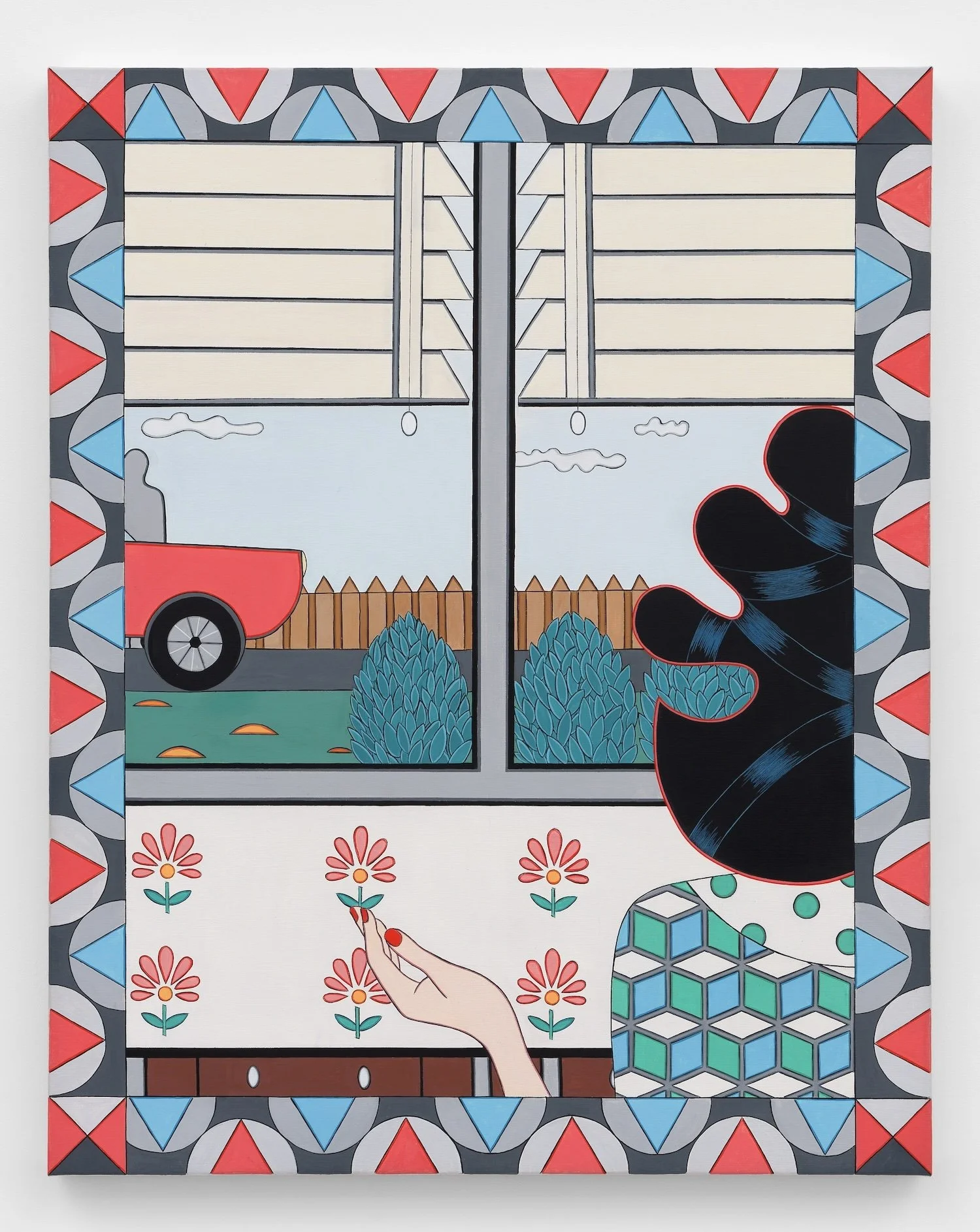
Deborah Druick
Bronx, NY
@ddruick
Captivated, 2025
Flashe paint and acrylic linen
30 x 24 inches
Deborah Druick was born in Montreal and attended the Montreal Museum School of Art, Dawson College and Concordia University, earning a BFA and an MFA equivalent. Moving from Montreal to Toronto in 1985 and then to Hong Kong in 1994, she became the creative director at a high-end retailer. During this time, she continued producing artwork, showing in group shows and a solo show in Hong Kong entitled "The Early Years." In 2003 she moved to New York and began showing her work in galleries. Her work was acquired by the Santa Barbara Museum of Art in 2025 for their permanent collection. She has had solo shows at Stellarhighway, Brooklyn; David Nolan Gallery, NY; and Nino Mier Gallery, NY, and has exhibited her work at Art Basel Miami; the Armory Show, NY; The Dallas Art Fair; Art Ono, Seoul; Fog, San Francisco; and Anna Zorina Gallery, NY. Her work has been reviewed in Artnet, Artsy, Whitehot Magazine and Puck News and has been featured in New American Paintings, Elephant Magazine and Artmaze Magazine. She was awarded the Lillian Orlowsky and William Freed Grant for Painting in 2024 and has been accepted for the Yaddo Residency 2026.
“The female protagonists in my work present a femininity bound by conformity and the societal pressures that restrict self-presentation and messaging. My paintings address gender definition, self-identification and female objectification. I emphasize and exaggerate stereotypical concepts of perfection, precision and beauty in femininity. The females that I paint are both representations of self as well as faceless archetypes, eliciting questions about identity, self-awareness and sentiment.”
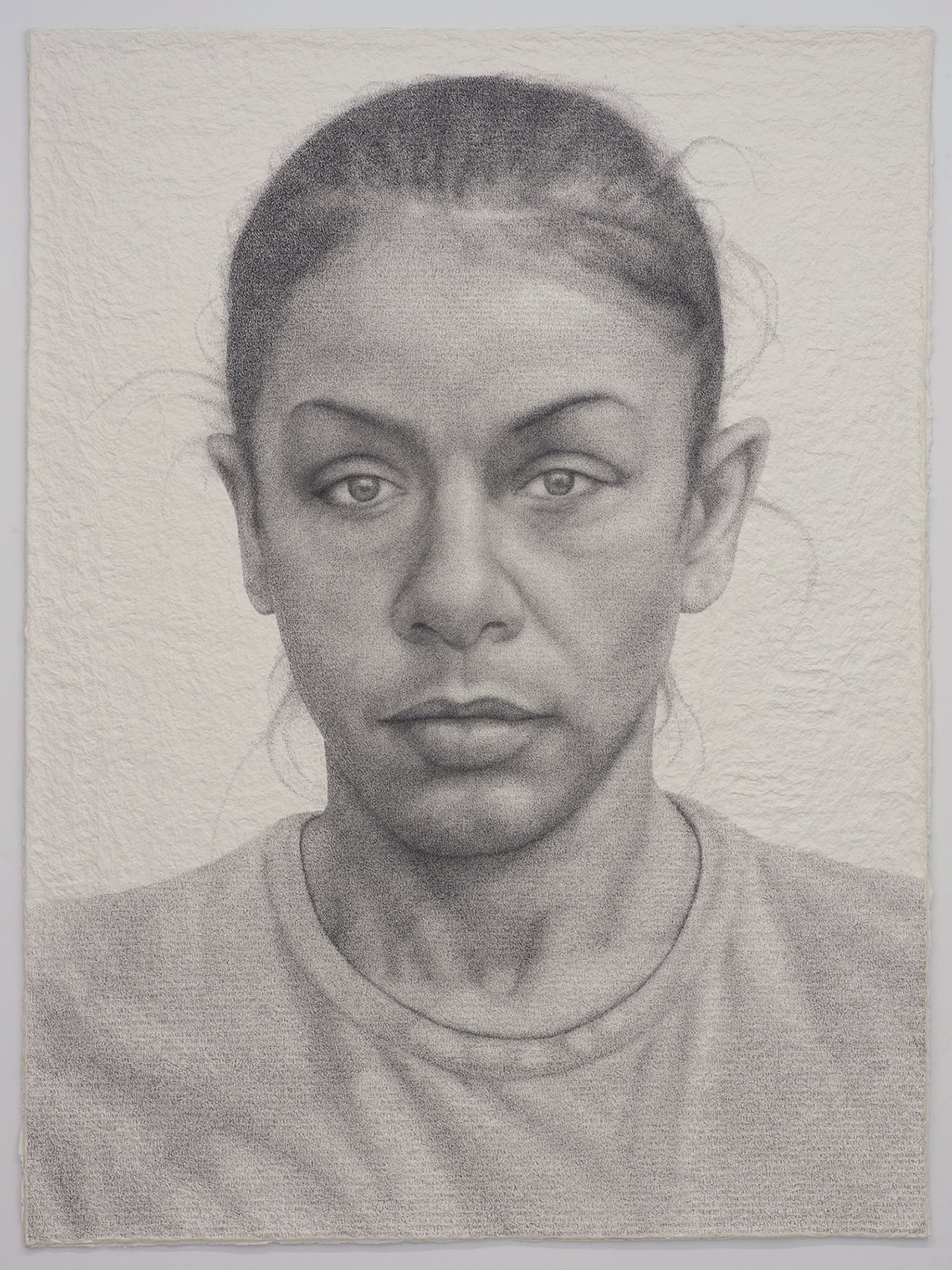
Ben Durham
Richmond, VA
@bendurhamstudio
Katrina, 2025
Graphite text on handmade paper
58 x 24 inches
Ben Durham lives and works in Richmond, VA. He was born in Lexington, KY and received his BFA from Washington University in St. Louis in 2004. His works are included in the permanent collections of the Whitney Museum of American Art, New York; the Hammer Museum, Los Angeles; and the Virginia Museum of Fine Arts, Richmond, among others. He has had solo exhibitions at galleries in New York, Los Angeles, Chicago, and Austin and was included in group exhibitions at the Smithsonian Museum’s National Portrait Gallery, Washington D.C.; Maison Particuliere, Brussels; KMAC Museum, Louisville, KY; and Off Paradise Gallery, New York, among others. Honors include a Pollock-Krasner Foundation Grant and fellowships from MacDowell, Yaddo, and the Virginia Museum of Fine Art.
“For over 20 years, my practice has been dedicated to a single body of work comprising sociological research, writing, and large-scale portraits based on official mugshots of friends, neighbors, and classmates from my childhood in Kentucky. In 2002, I discovered that the Department of Corrections in my hometown maintains an online public database of every mugshot and arrest record. It’s updated every 24 hours to this day. Regardless of each individual’s innocence or guilt, the mugshot draws your attention yet asks you to forget; to view a person’s mugshot, judge them to be criminal, and disregard them immediately thereafter. Against this, I create hybridized artworks of drawing and text that strive for a slower, more empathic engagement with the complex range of emotions and circumstances these images represent.”
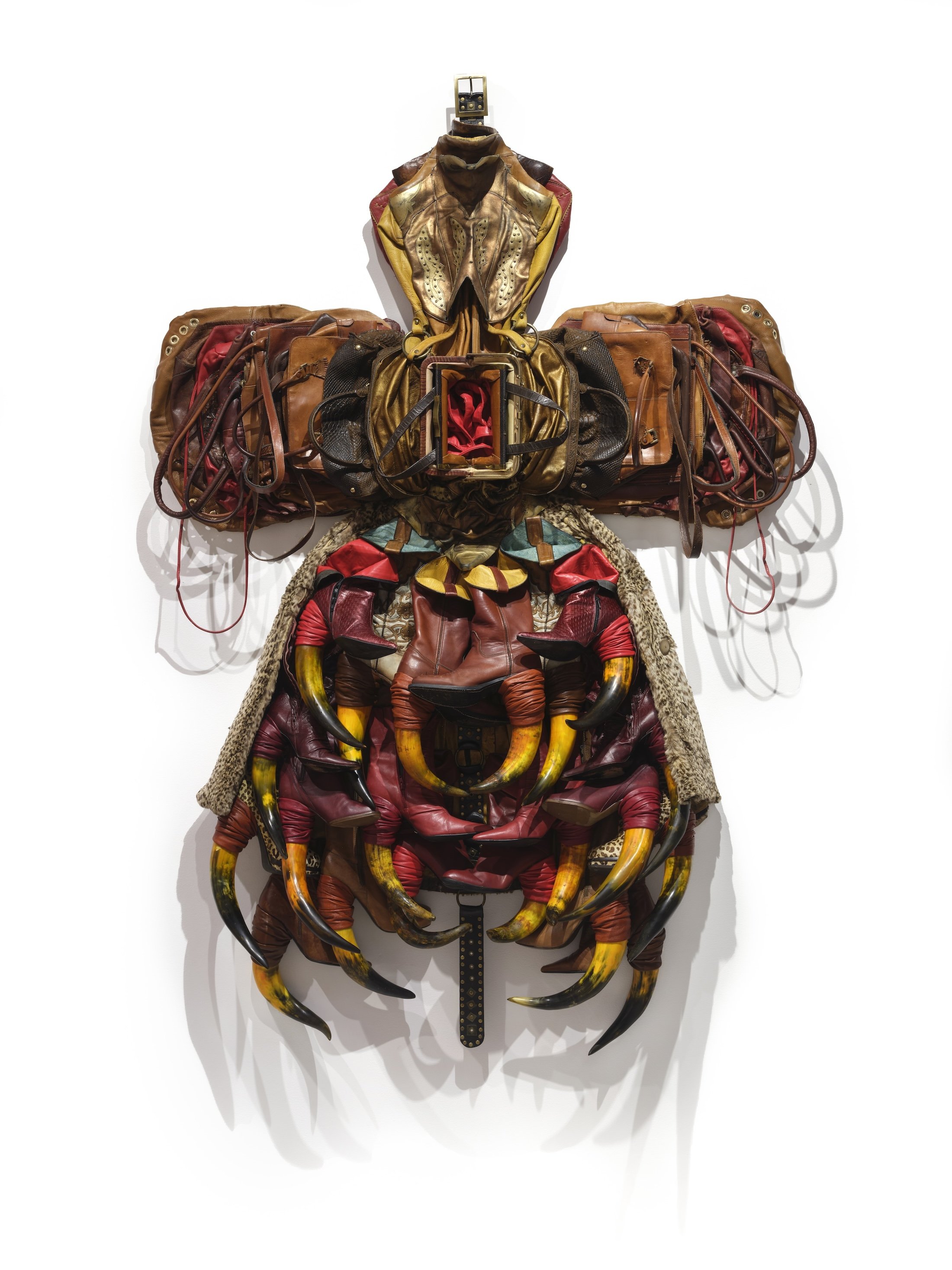
Anindita Dutta
New Haven, CT
@aninditadutta.studio
Hail of Opened Purses, 2025
Used leather bags, boots, hand dyed animal horn
79 x 58 x 81/2 inches
Anindita Dutta received her MFA in Sculpture from the University of Iowa in 2005 and was selected that same year for the Skowhegan School of Painting and Sculpture. Her exhibitions and performances span Asia, Europe, and the United States. Solo exhibitions include The Sylvia Wald and Po Kim Gallery, New York; Robert Bill Contemporary, Chicago; the Arthur M. Sackler Museum of Art and Archaeology, Beijing; and Everything Ends & Everything Matters at Latitude 28, New Delhi. She has received several residencies and awards, including a Pollock-Krasner Foundation Grant in 2008, which led to a major project at the Fukuoka Asian Art Museum, Japan, in 2009. In 2022, she received an NXTHVN Fellowship, along with the TOY Fellowship from the Burger Collection, Hong Kong.
“I am an Indian-born, U.S.-based artist working in sculpture, installation, and performance. My work explores memory, violence, survival, and the female body through forms that ask viewers to feel, not just observe. I am drawn to what women carry but rarely speak aloud: the physical and emotional weight of trauma and the acts of endurance that follow. My practice creates spaces of witnessing where others might recognize fragments of their own experiences, their own bodies, and their own survival. Throughout all stages of my practice, I remain committed to using material, form, and gesture to make the invisible visible, transforming personal histories into shared experiences and engaging audiences with the complex realities of female survival.”
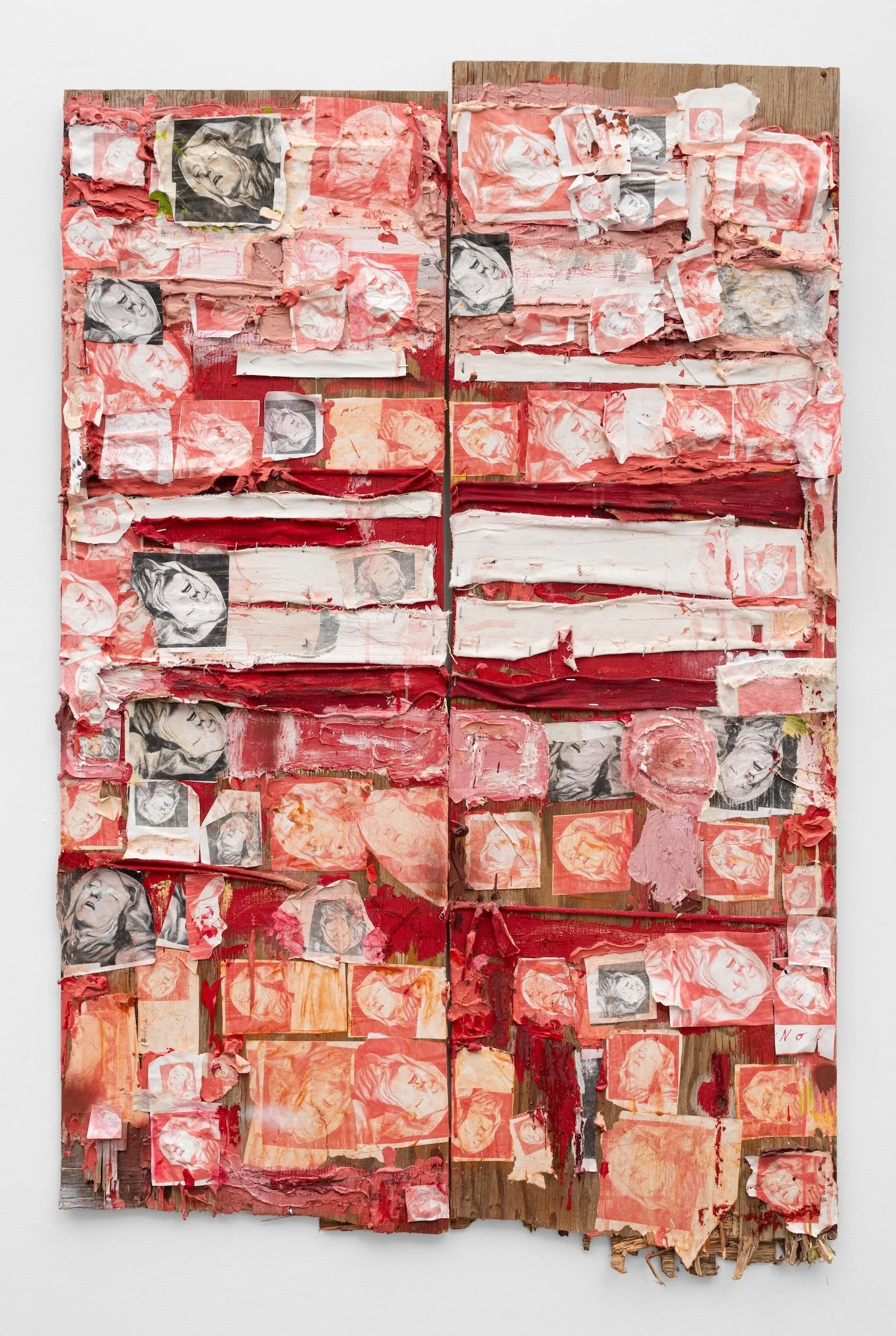
Peter Gallo
Hyde Park, VT
@ p_e_t_e_r_g_a_l_l_o
Possession, 2024
Oil, fabric, screenprints, staples, on found wood panels
51 1/2 x 33 inches
Peter Gallo received a BA from Middlebury College and an MA and PhD in Art History from Concordia University in Montreal. He was among the first staff artists at the Vermont Studio Center and an active member of Grass Roots Art and Community Efforts (GRACE) in Vermont’s Northeast Kingdom, where he led art workshops in nursing homes and psychiatric day treatment centers and organized traveling exhibitions of the works created by participants with support from the National Endowment for the Arts and Andy Warhol Foundation. He has written reviews and articles for Art New England and Art in America. He has taught at St. Michael’s College in Colchester, VT and Champlain College. His work has been exhibited throughout the United States and Europe. He is currently represented by Adams and Ollman Gallery in Portland, Oregon.
“In recent years, my work has increasingly turned toward questions of aging, the sacred, and mortality, and an awareness of how these conditions have been represented and understood across the history of art. This inquiry is shaped by both personal experience and by broader cultural conditions -- particularly a contemporary moment defined by acceleration, bizarre theologies, environmental anxiety, social and political dread, and the systematic denial of the body's fragility and limits. By returning to highly charged, often religious historical iconography and allegorical forms, I seek to restore visibility to finitude, the sacred, aging, and the erotic, resisting their erasure within a culture oriented toward speed, productivity, and perpetual youth.”
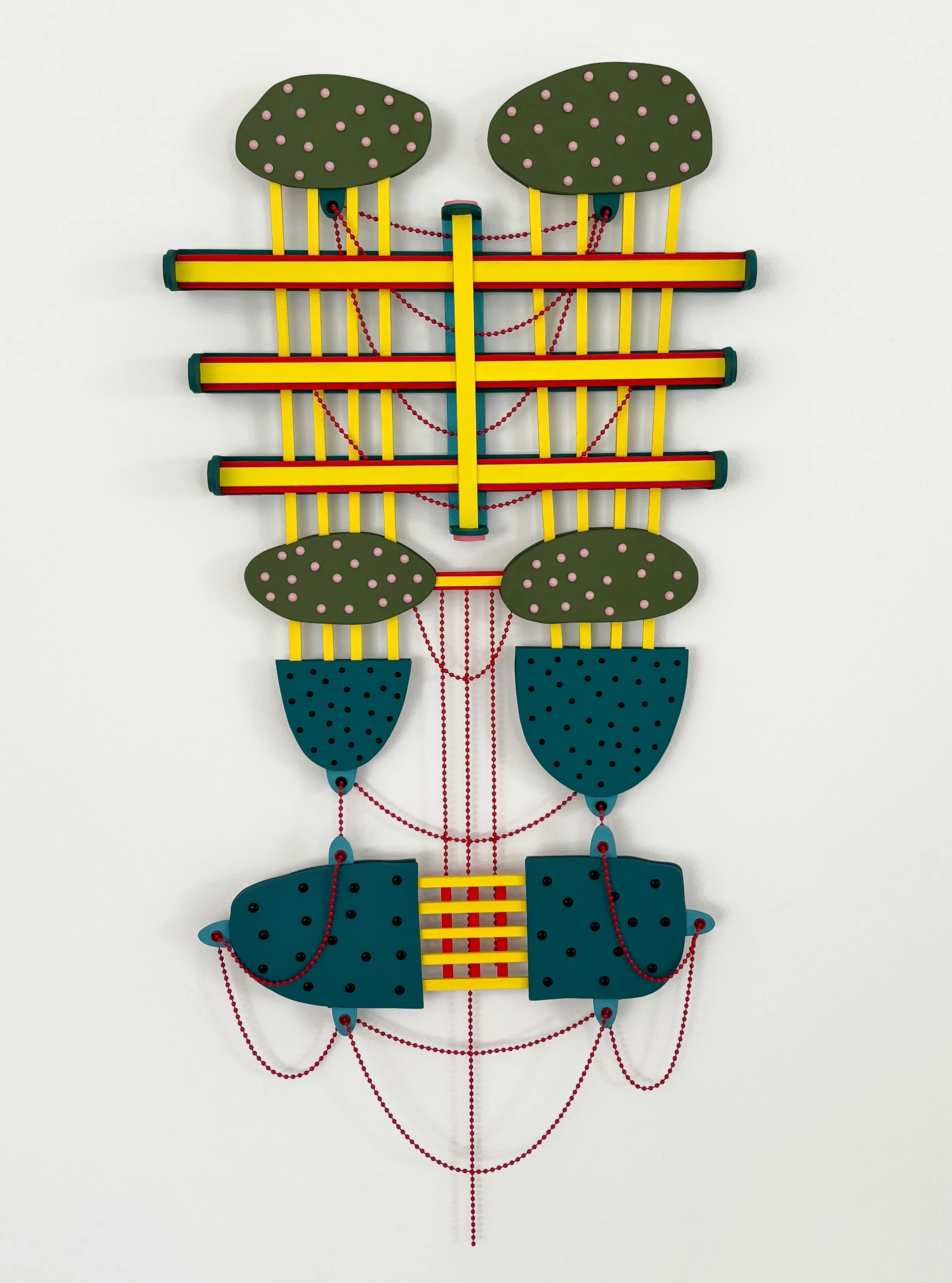
Lanie Gannon
Nashville, TN
Marquee, 2025
Paper board, acrylic paint, ball chain
21 x 13 x 2.5 inches
Lanie Gannon worked in wood sculpture before turning to sculptural paper forms during her time as a Visiting Artist at the American Academy in Rome in 2019. She makes suspended paper installations and wall-mounted sculptural forms that explore structure, tension, ornament, and the body’s internal frameworks. Her work was included in In Her Place at the Frist Museum of Art (2026) and the Paper Art 2025 Biennial at the CODA Museum, where her work entered the museum’s permanent collection. She was awarded residencies at the Headlands Center for the Arts, Ucross Foundation, Kimmel Harding Nelson Center for the Arts, Millay Arts, and Moulin à Nef, among others. In summer 2026 she will be in residence at Haus des Papiers in Berlin. Her honors include a National Endowment for the Arts Visual Artist Fellowship (1988), a Tennessee Arts Commission/Owens-Corning Visual Arts Fellowship (1994), and a Tennessee Arts Commission Individual Artist Fellowship (2000).
“Paper is democratic, accessible and versatile, defying fine art exclusivity. Its adaptability allows me to explore form and surface simultaneously, while color serves as a vital expressive element. By working with paper, I invite questions about who gets to make art, where art happens, and what forms of making are considered legitimate. Currently, I create paper forms as floating landscapes at multiple scales, from wall-mounted constructions to suspended installations, combining dense and open structures that explore spatial tension, balance, and the interplay of fragility and strength. Inspired by weaving patterns and architectural frameworks, the work creates dialogue between paper's tactile presence and the air it occupies.”
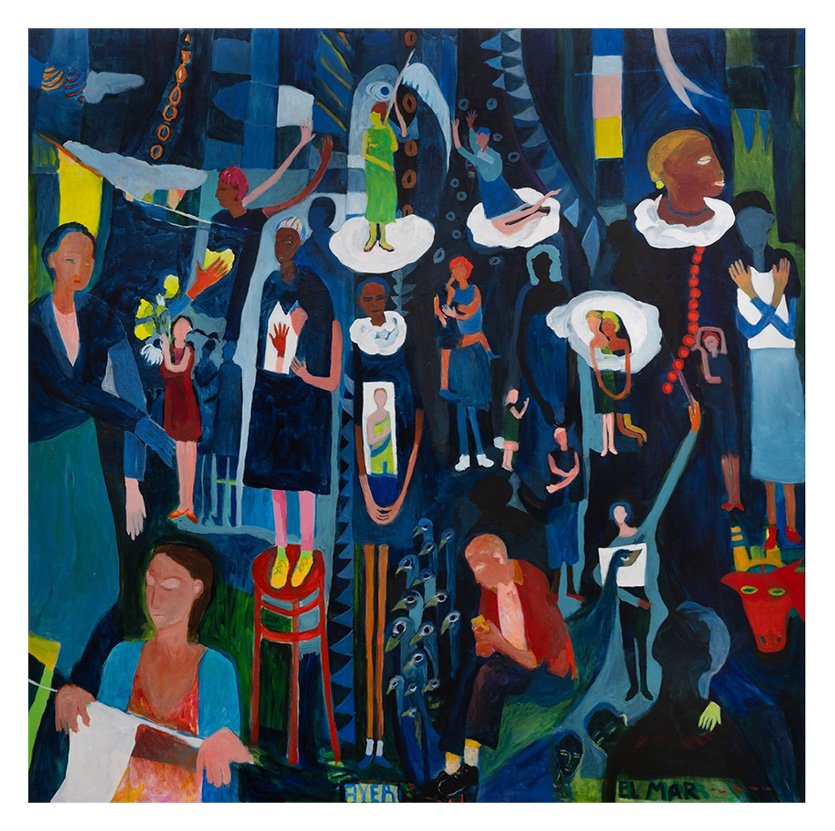
Nereida García-Ferraz
Miami, FL
@nerigf
Learning to Dream, 2025
Acrylic inks on stonehenge paper
62 x 62 inches
Nereida García-Ferraz graduated from The School of the Art Institute of Chicago in 1982 and, in 1988, co-directed the award-winning video documentary Ana Mendieta: Fuego de Tierra. In 1997 she relocated to San Francisco and taught at the San Francisco Art institute. In 2001 she moved to Miami where she collaborated on educational initiatives at the Museum of Contemporary Art and the Perez Art Museum. In 2008 her drawings were selected for the New York Drawing Center Viewing Program. She has exhibited widely in the United States and Mexico and has received numerous awards, including from the National Endowment for the Arts (1985 and 1989), the South Florida Visual Arts Consortium (2022), and the Cintas Foundation (2025). She is represented by Spinello Projects in Miami, FL.
“I was born in Havana in 1954. Growing up in Cuba was marked by uncertainty, as the prospect of departure loomed over our household daily. I am convinced that the constant reminder of the fact that we were leaving awoke in me the interest of working with images. I wanted to remember everything. I wanted to preserve details. We couldn’t take any photos with us, so I wanted to keep those memories to tell myself that that life truly existed. In this current phase of my career, I am exploring various visual motifs and narratives that delve into the strength and uncharted territories of memory and place.”
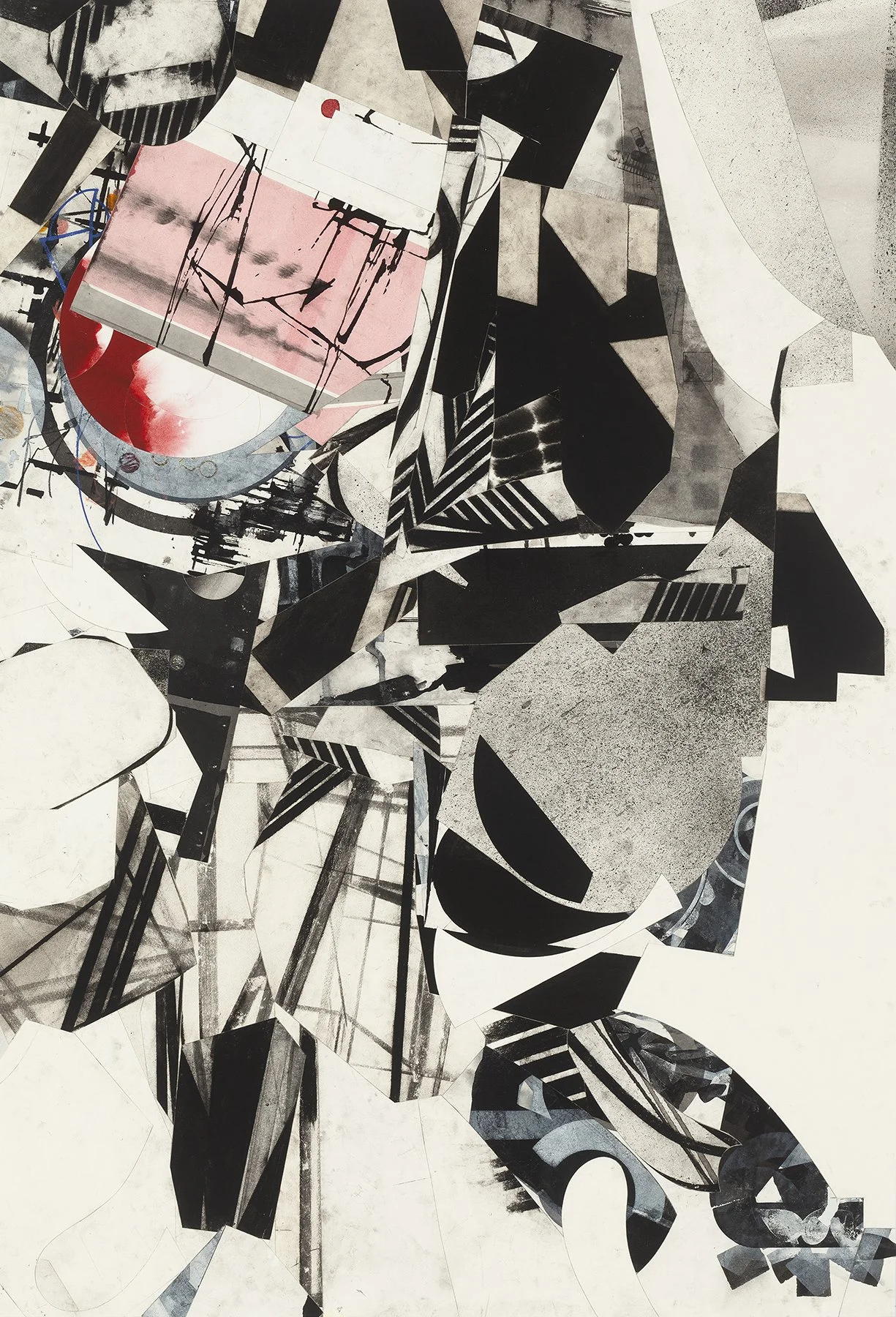
Chuck Holtzman
Boston, MA
Untitled #980, 2025
Conté, ink, charcoal and colored pencil on paper
30 x 20 ¾ inches
Chuck Holtzman attended the School of the Museum of Fine Arts, Boston with a primary focus on sculpture. Upon graduating, he was awarded a Traveling Fellowship. Wood became his material of choice and in the late 1970s he began exhibiting in group exhibitions, both locally and nationally. Somewhere in early 2000, he put sculpture aside and devoted his efforts to drawing exclusively. He is a recipient of the National Academy Prize for Graphics and has received support from the National Endowment for the Arts, the New England Foundation for the Arts, the Pollock-Krasner Foundation, and the Massachusetts Cultural Council, among others. His work is in private and public collections including the Museum of Fine Arts and Harvard Art Museum, Boston, Whitney Museum of American Art, New York, and Dallas Museum of Art.
“As far back as I can remember, engaging in the activity and wonder of building all sorts of things felt truly exhilarating. Equally intriguing was the experience dismantling those things and exposing previously unknown aspects of their nature. Fairly recently I had become aware that this system had found its way into and now serves as the guiding principle behind the framework of my approach to drawing. This undeniable framework that ambiguity was a force, inherent within drawing, connected thinking and seeing with a revised sense of order and disorder. This perspective allowed me deeper access to explore the nature and poetics of ambiguity as a force necessary to organize and activate space while giving contour and dynamism to the themes driving my work. The search is less about solving mysteries and directed toward rearranging them.”
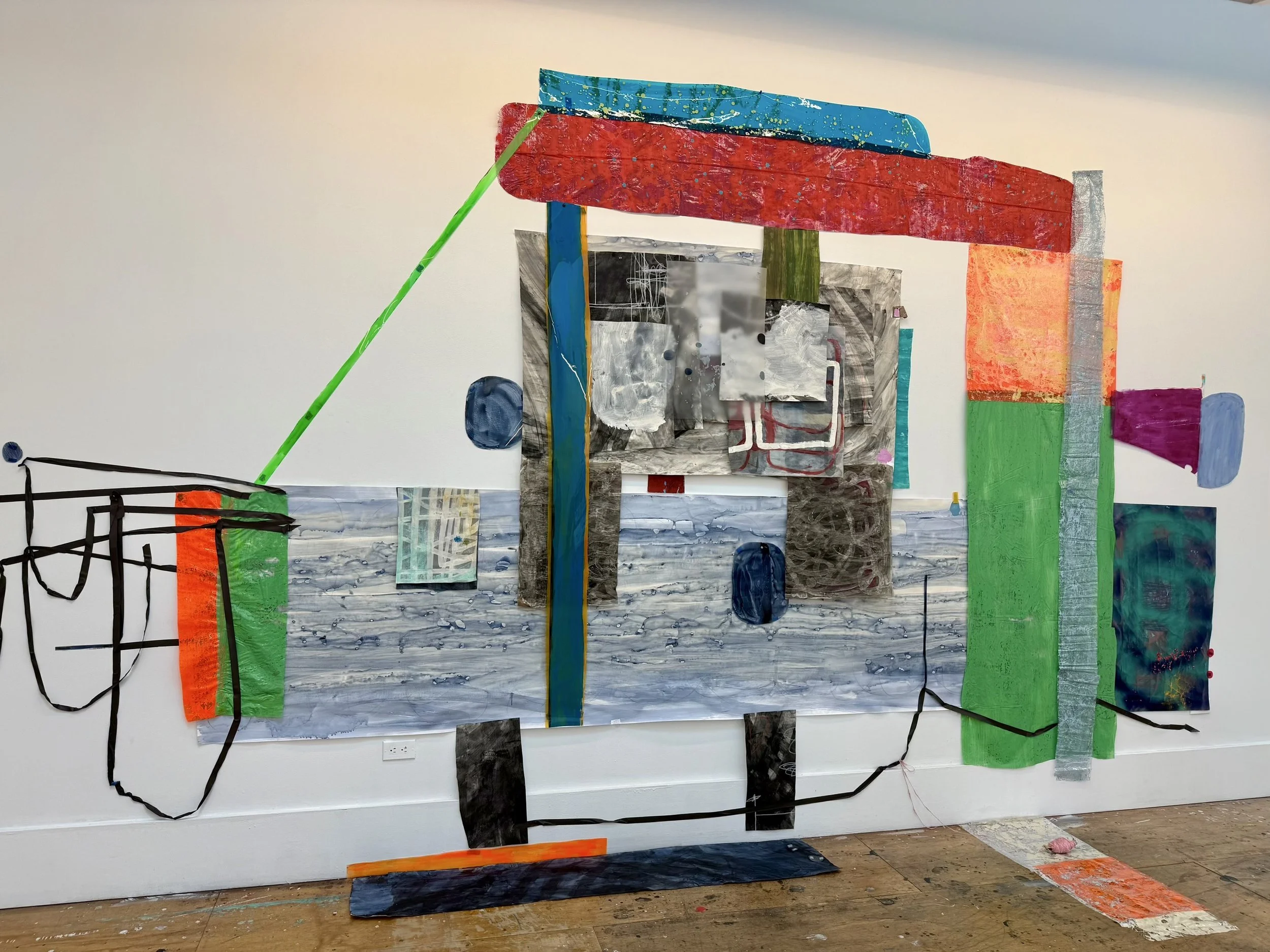
Ivelisse Jiménez
San Juan, Puerto Rico
@iximenez
Held Space 1, 2025
Mixed Media Instillation, Acrylic Paint over paper, mylar, and various plastics
110 x 96 x 36 inches
Ivelisse Jimenez completed a BA in Humanities at the University of Puerto Rico in 1993 and moved to New York. In 1999, she earned an MFA from New York University, deepening her commitment to abstraction. In 2003, a glass public art commission in Barranquitas, Puerto Rico, pushed her work toward sculptural and architectural forms. She has exhibited widely in the United States, Latin America, and Europe, including in solo exhibitions in Denmark, Italy, and Spain, as well as at ARCO Madrid’s Project Rooms, the Prague Biennale, and IX Cuenca Biennial in Ecuador. Honors include a Joan Mitchell Award, First Prize for Painting at the Arte Laguna Prize, and a residency at Art Omi. Her work is held in museum collections in Puerto Rico and New York, including the Museo de Arte de Puerto Rico, where it is currently on view.
“My artistic practice is rooted in abstraction as an open language—one that questions perception and the ways meaning is constructed. Across painting, assemblage, drawing, and installation, I work with form, color, and materials as agents that transform my experience of making and the viewer’s act of looking. I approach abstraction as a way of thinking with the body: a mode of attention where sensation, rhythm, and material presence can become a form of knowledge.”
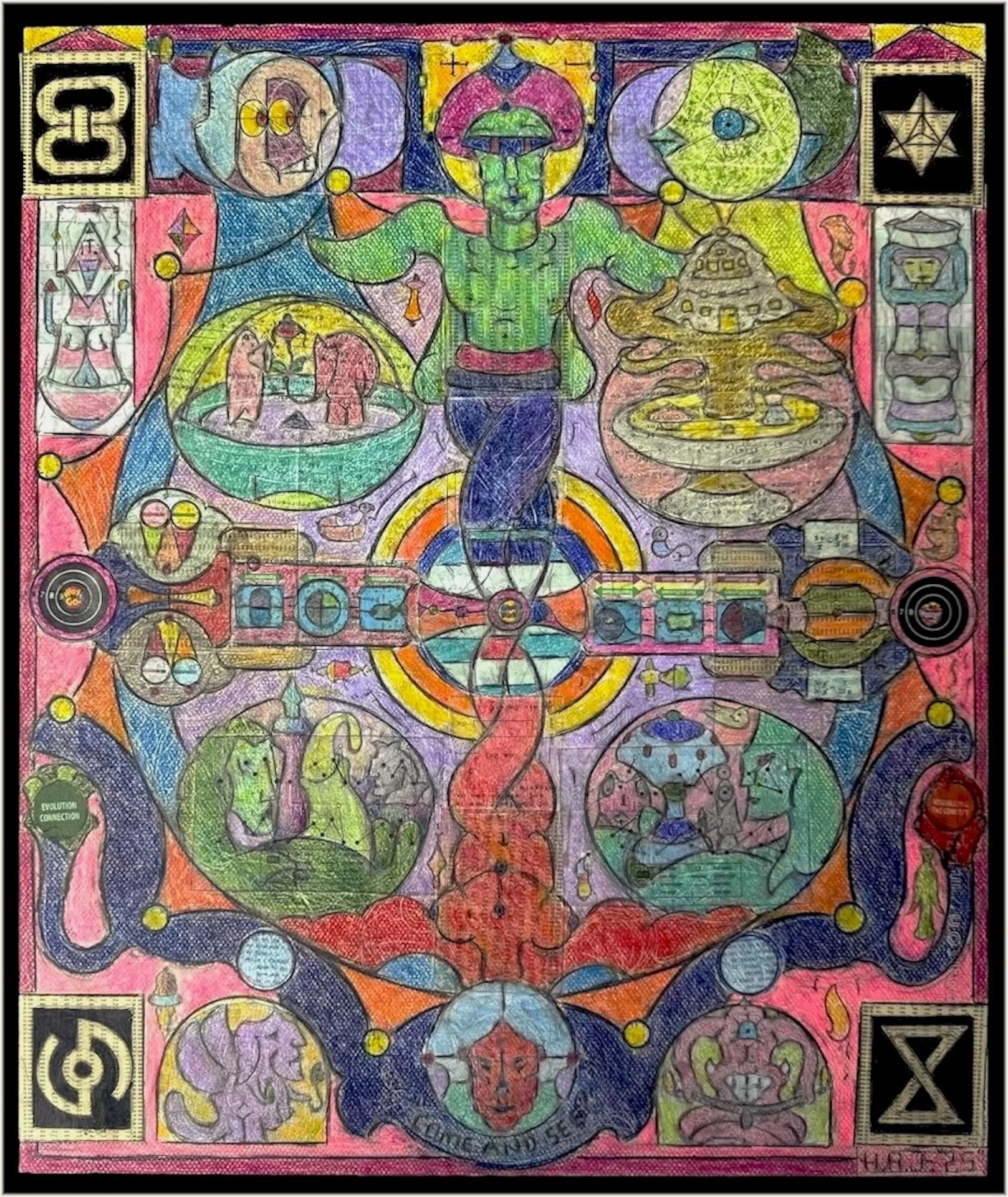
Howard Johnson
Hudson, MA
@8thring
Man-Dala: Matricks, TransHuman Series, Wheel of Human Creation, 2025
Ancient computer punch cards, dot matrix paper to give the effect of a printed universe, pastel paper, various technical text, biological, algorithm script, hard stick mediums, ink, Neo-Color crayons on pastel paper mounted and acrylic sealed on Ampersand Staged Board.
20 x 24 x 1.5 inches
Howard Johnson is an established New England artist whose work takes a pop culture-oriented approach to Visionary Art. His work has been exhibited widely and is in the collections of, among others, the Museum of Fine Arts, Boston; Worcester Art Museum; Decordova Museum, Lincoln; and New England Visionary Artist's Museum, Northampton, all in Massachusetts. Honors include awards from the Massachusetts Cultural Council, the New England Foundation for the Arts, and the Worcester Arts Council, among others.
“My main focus is an imaginary world view; a darkly humorous amalgam of mythic images re-interpreted as Pop Culture. Animation becomes a form of primitiveness representing the lifestyle of an era. Periods of time and historical events are blended to occur simultaneously. An element of intended goofiness, whimsy, and wit runs throughout the image subject. Content is influenced by Surrealist Era, Medieval Art, Esoteric Alchemical Works, Mughal and Bardo Paintings and also contemporaries, such as Jim Nutt, Peter Saul, George Condo, Philip Guston, and others. Each facet of the work becomes a center of interest, all equally rendered so there are no lax spots in the finished piece.”
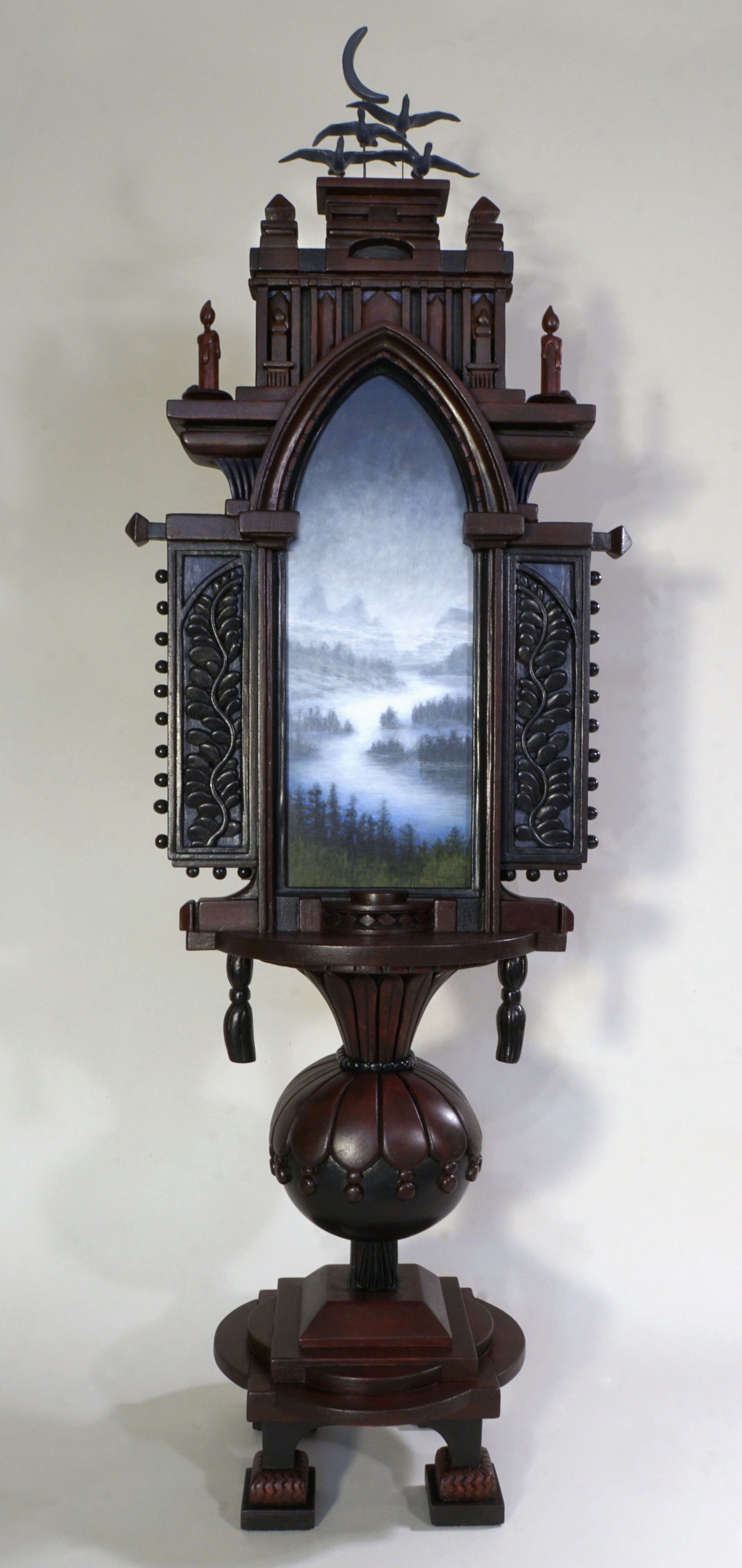
Holly Lane
Merced, CA
Towards a Deeper Birth, 2025
Acrylic and Carved wood
37 x 13 x 8 inches
Holly Lane graduated with an MFA from San Jose State University in 1988 and has been a full-time artist since. She has exhibited nationally, with 22 solo exhibitions and 100 group exhibitions. In 2012-2013 she was awarded a Pollock-Krasner Grant. Her work has been reviewed in The New York Times, ArtNews, The New Yorker, Art in America, ARTnews, and Hyperallergic, to name a few. Her work was also included in Terence Grieder’s art history textbook, Artist and Audience, 2nd edition, Brown & Benchmark, London, 1993.
“Because architecture is a human construct that encodes our needs, intentions and predilections I use architectural frames as a stand-in for the human mind. By placing nature inside an architectural frame, I show nature as held within our minds. Climate change calls us to re-envision nature from one of utility to intimacy and even sanctity, so placing nature within sacred architecture re-frames nature as a sacred place. I carve the frames myself, from kiln dried basswood lumber – a non-endangered hardwood. These are not assemblages of salvaged furniture. I carved every detail with chisels, skews and gouges. Each piece takes about 3 to 8 months to create.”
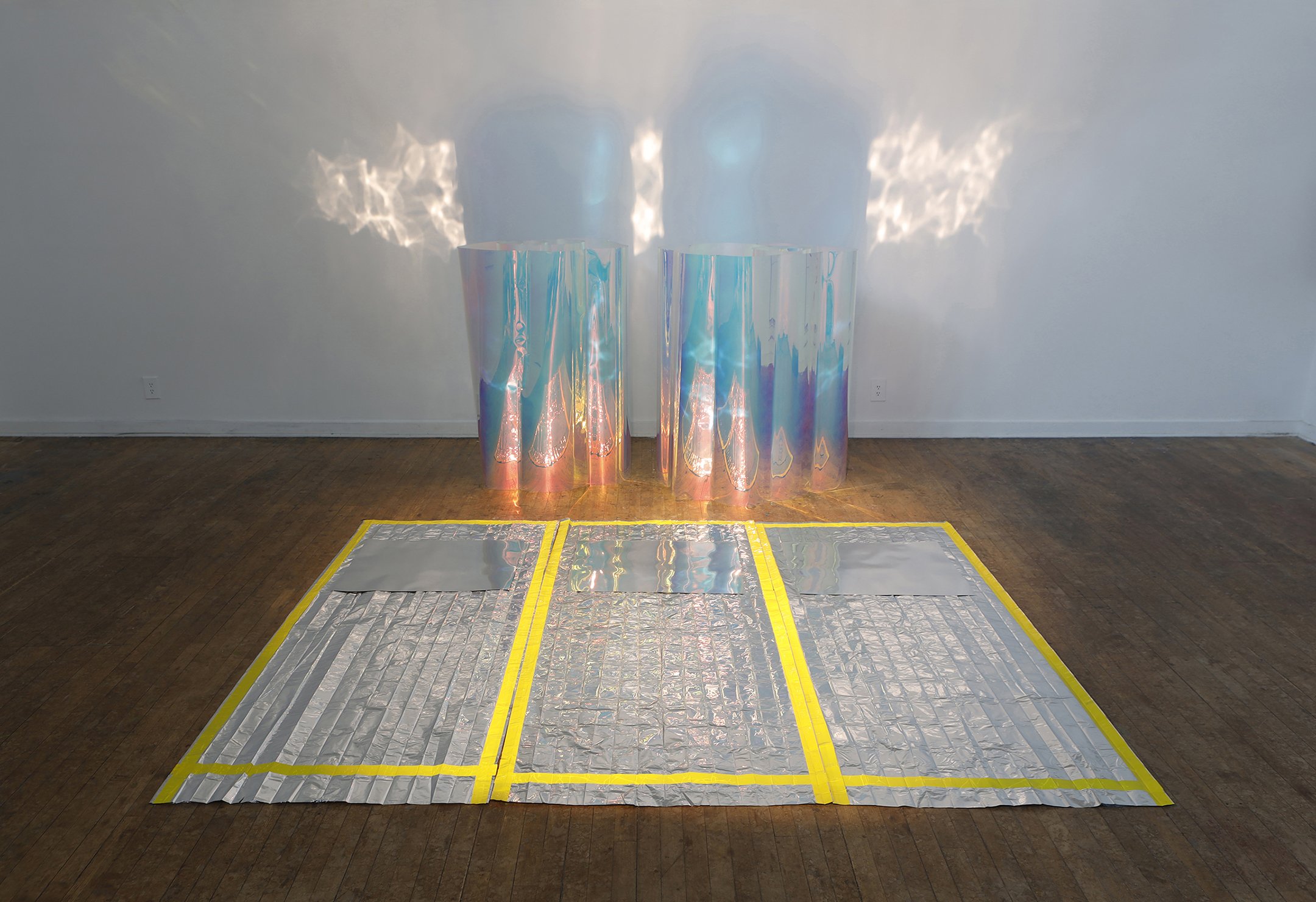
Charles Matson Lume
St. Paul, MN
a breeze above you (for Turner)
Reflective paper, proofing paper, Mylar emergency sleeping bags
110 x 104 x 121 inches
For nearly 30 years Charles Matson Lume has created art with light and shadow. He earned an MFA from the University of Wisconsin-Madison and has been awarded artist fellowships and grants from the Pollock/Krasner Foundation, McKnight Foundation, Adolph & Esther Gottlieb Foundation, Jerome Foundation, and the Minnesota State Arts Board. He has had nearly 50 solo exhibitions and over 100 group exhibitions, including at the Irish Museum of Modern Art, Dublin, Ireland; The Cello Factory, London, England; Akureyri Art Center, Akureyri, Iceland; Babel Kunst, Trondheim, Norway; Kemijävi Art Gallery, Kemijävi, Finland; and Hunter College/Time Square Gallery, New York, NY. He has participated in artist residencies internationally. His art has been reviewed or featured in The Irish Times, Hyperallergic, ART PAPERS, and on National Public Radio, and has been curated into artist registries at The Drawing Center and White Columns in New York, NY, among others.
“Light needs a surface to reveal itself, just as we need one another to know ourselves. Light has the capacity to release kinds of secrets from the quotidian. It’s a tool to re-examine the inherent qualities of selected materials for new insight and revelation. Light can create visual pleasure. As with all my installations, I am deeply engaged in literature, specifically poetry. I believe poetry can reveal what's been lost or hidden. From poetry, I see a kind of aliveness of being and suppleness necessary for celebrating the fullness of our humanity. I dedicate most of my installations to poets for their ability to create spaces of generative newness and sonority.“
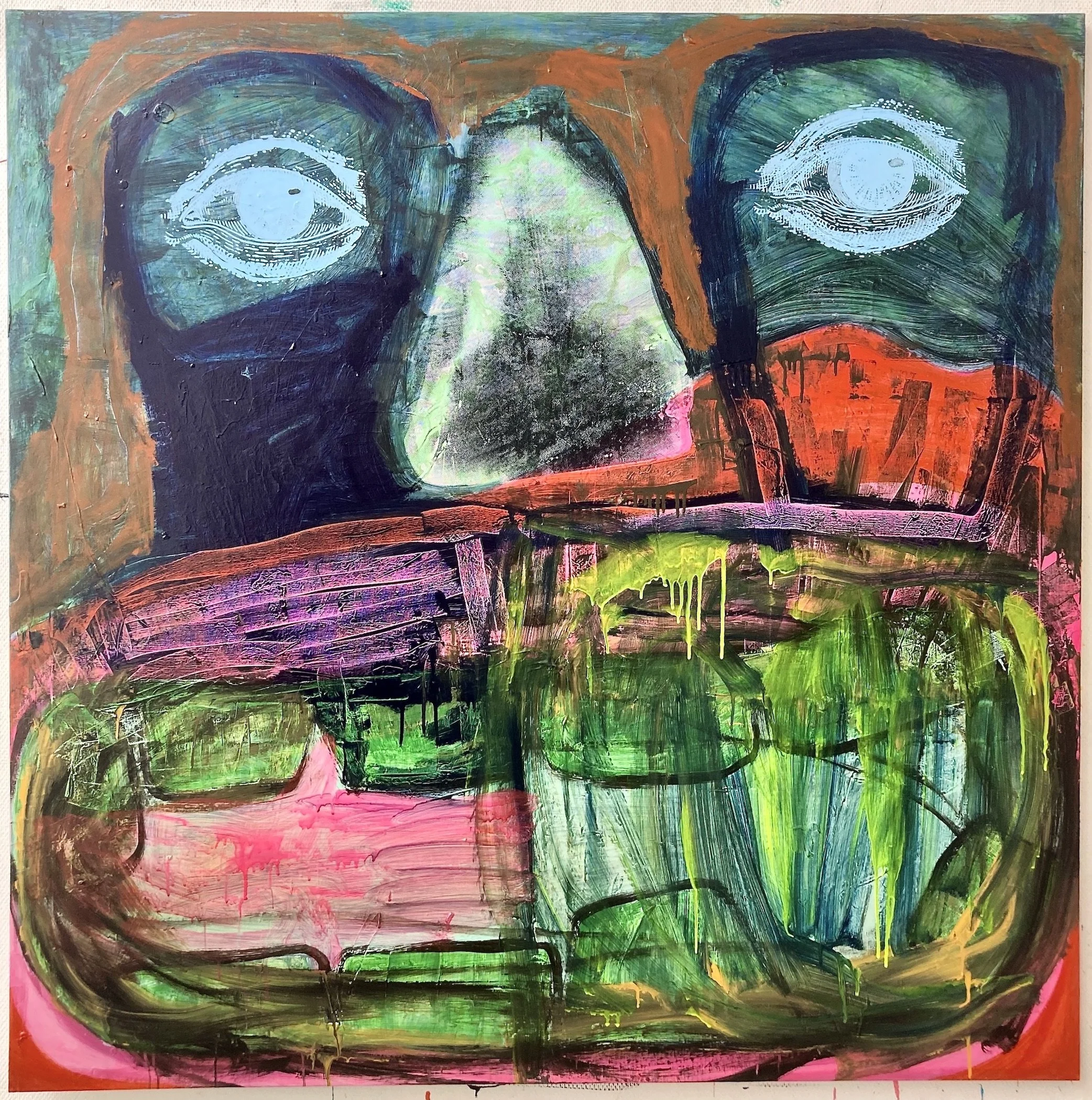
Edouard Prulhière
Malakoff, France
@edouardprulhiere
Untitled, 2024
Ink and acrylic on canvas
63 x 63 inches
Edouard Prulhière’s work has been showing internationally since 1992, with solo exhibitions in Paris, New York, Stuttgart and Munich, and, more recently, at La Maison des Arts in Évreux (Normandy) in 2021, at La Nave Va Galerie in Marseille in 2024, and at the Orlando Museum of Art in Florida in 2025. A 2020 French Institute grant and residency at the Villa Ndar (Saint-Louis, Senegal, where his mother and generations of her family grew up) led to the production of a large body of works in paper and opened a new field of investigation in his work.
“Since the beginning of the 1990s, my artwork constitutes an assemblage of materials, an aggregate of processes, an accumulation of structures and effects, rather than an integrated whole arranged in accord with a subject. In other words, what I call painting is never complete or determined. The back and forth between every component of what makes a painting with its many configurations and through different manipulations have generated variable possibilities. Canvas paintings have become sculptures, or on-site installations, including wall paintings. The last years a new unfolding emerged, linking painting and photography by means of occultation and deconstruction, using silkscreen processes. This led to the emergence of a new development. And at the core of this evolution is the exploration of my maternal lineage, which originates from Senegal. Hence, connections between history and mixed-cultural influences have surfaced within my work.”
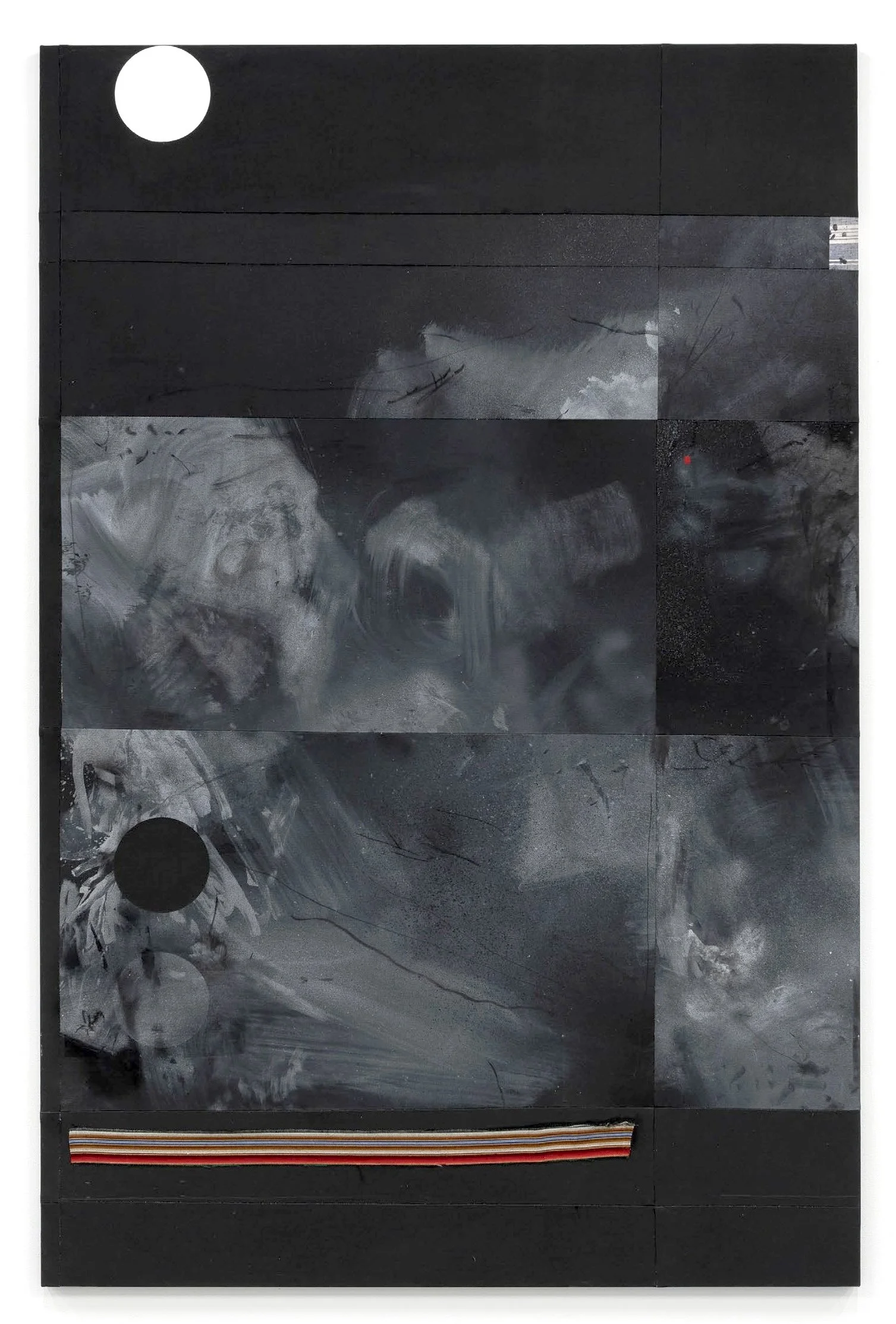
Blake Rayne
Brooklyn, NY
@blake_rayne_
Reserve (001.11.12.2025), 2025
Oil, acrylic, spray paint, graphite powder, fabric on canvas
44 x 34 inches
Born in Lewes, DE, Blake Rayne moved to New York after earning a BFA from CalArts in 1992, supporting his studio practice by assisting artists important to him (Jonathan Lasker, Dan Graham, and Dara Birnbaum) and working as a preparator at Pat Hearn Gallery. He showed at John Good Gallery, New York and had several exhibitions with Greene Naftali (including work shown at Museum Ludwig, Cologne, Germany, in 1998). His first solo exhibition in Europe, The Winter Line, was displayed at Johnen + Schöttle, Cologne (2000). He has taught at both Bard College and Columbia University and has received awards and fellowships from the American Academy of Arts and Letters (2001) and the American Academy in Berlin (2010). Recent solo exhibitions include Blake Rayne (1301PE, Los Angeles, 2022), Bad Maps (Galeria Nuno Centeno, Porto, Portugal, 2023), and Reserves (Miguel Abreu, New York, 2025). His work is in museum collections including MoMA, the Whitney Museum of American Art,, and SFMOMA.
“Painting is the disciplinary focus of my practice, and I treat its production, exhibition, and circulation as part of its material. I’m less concerned with what a painting depicts than with what it does: how it organizes attention, sets a tempo, and establishes thresholds. That is to say, how it makes decisions visible and invites the viewer into those decisions. My work is abstract, but I think of abstraction as a practical tool: a way to pause the flow of recognition and create a space where looking can become active again.”
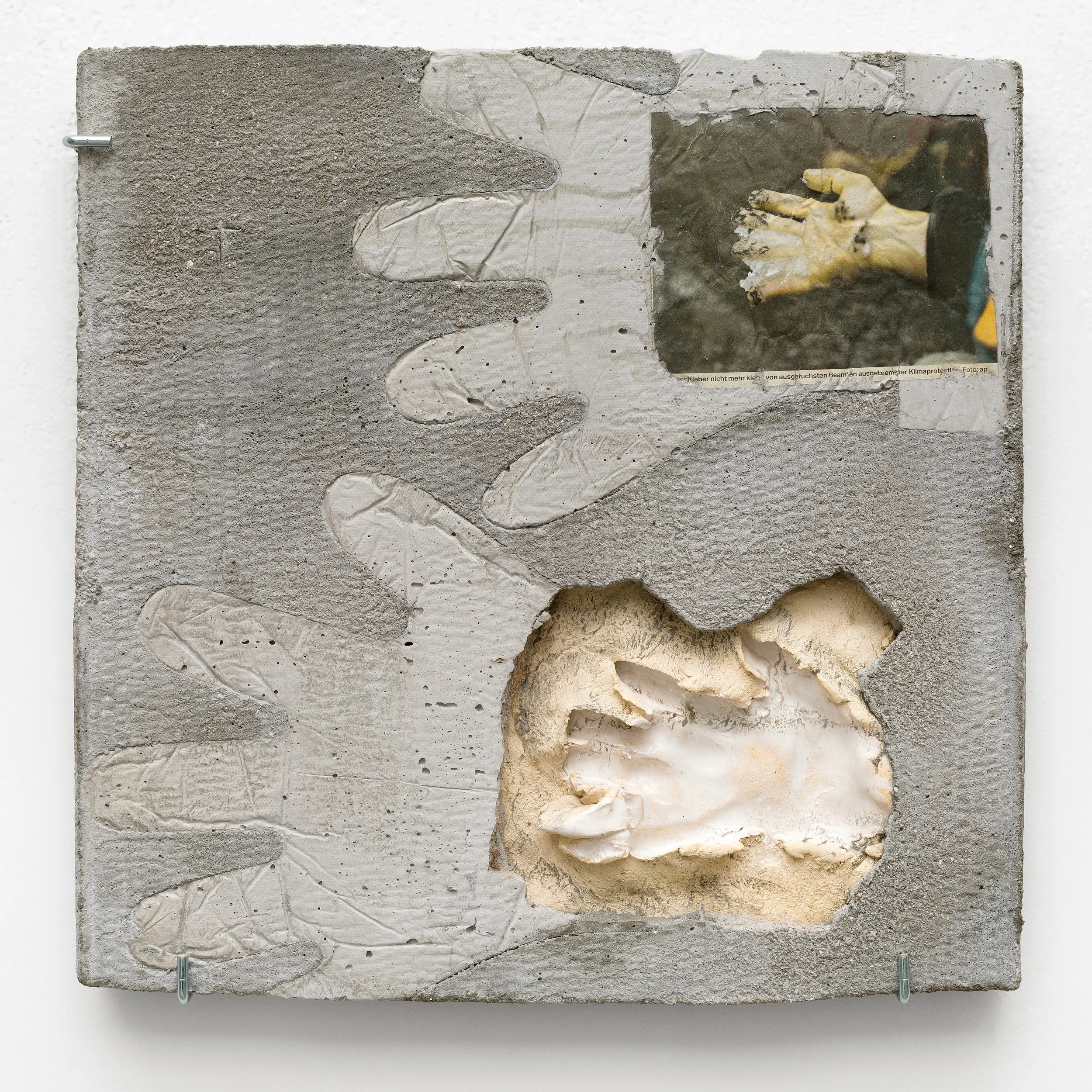
Matheus Rocha Pitta
Berlin, Germany
@rochapitta_aka_rockpicture
Slab # 107 (Klimakleber and Joaquim), 2024
Concrete, paper, glazed clay, and Indian Ink
15 x 15 x 1 inches
Matheus Rocha Pitta was born in 1980 in Tiradentes, Brazil, a small baroque village in the state of Minas Gerais, the son of a painter and a translator. He moved to Rio de Janeiro for university to study History and Philosophy, disciplines that were crucial in the development of his experimental artistic methods and themes. Parallel to college he assisted Miguel Rio Branco and Rosângela Rennó, two important Brazilian artists, which constituted his true artistic formation. The year 2010 marked a turning-point in his career. In that year, the first in which he could live entirely on income from his art, he participated in the São Paulo Biennal and consolidated his experimentation with diverse uses of concrete. In 2016 he moved to Berlin with a one year grant from KFW/Künstlerhaus Bethanien. He has lived and worked there since.
“A crucial point in my development was the discovery of a cheap way to cover graves in Brazil: if you can’t afford marble or travertine you use a concrete slab instead. In order to prevent the poured concrete from sticking to the casting mould, the latter is laid out with old newspaper, which thus inevitably becomes part of the underside of the slab as the paper is fixed in place by the hardening concrete. The paper surface is only visible when the grave is open. Since 2004 I’ve been refining and understanding the usage of this technique. How, by encapsulating and arresting images with a very short span of life, a historical inscription is produced and reflects the present. Furthermore those slabs and steles inevitably refer to a funeral architecture and engage viewers not only with their vision, but also with their bodies, since they originally mark the place of a body.”
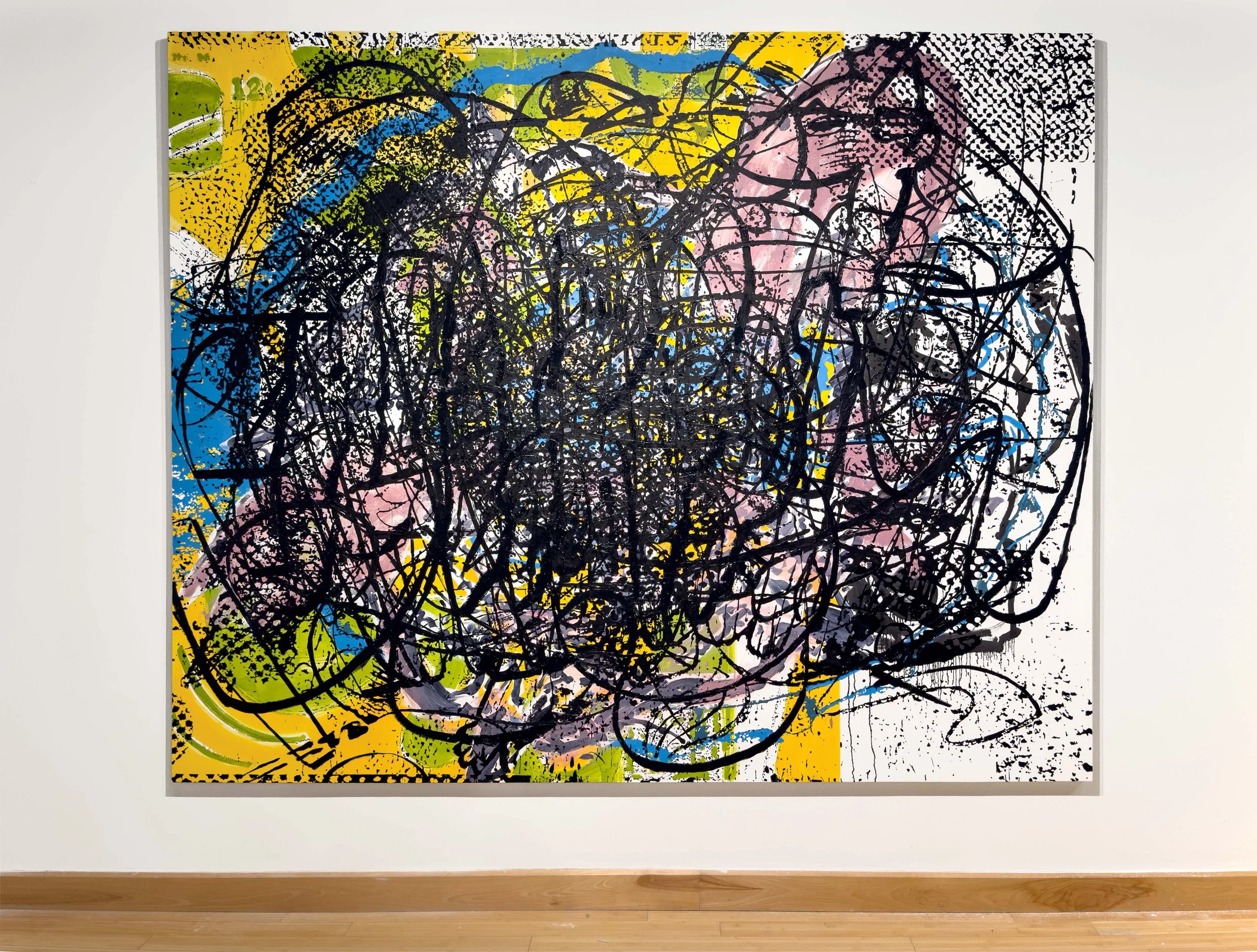
Scott Short
Plain City, OH
@sshort.studio
Trash, 2025
Oil on canvas
78 x 96 inches
Scott Short (b. 1964, Marion, OH) earned an MFA in 1990 from The Ohio State University. Short’s work has been exhibited at The Whitney Museum of American Art (New York), The Buffalo AKG Art Museum (formerly Albright-Knox Art Gallery, Buffalo), The Renaissance Society at The University of Chicago, The Hyde Park Art Center (Chicago), Christopher Grimes Gallery (Los Angeles), Charlie James Gallery (Los Angeles), Western Exhibitions (Chicago), The DePaul Art Museum (Chicago), Randolph Street Gallery (Chicago), and Yvon Lambert (New York). Short has also shown at Barbara Gladstone Gallery (Brussels), Cardi Gallery (Milan), and the Leal Rios Foundation (Lisbon). Short currently lives and works in Columbus, Ohio.
“One body of work consists of images culled over the years from a variety of printed media sources repeatedly copied in order to give the machine the dominant hand in rendering, then painted one over the other. Originally intended for a purpose long abandoned, the question became what to do with this library of images; throw them away, pile them up as rubbish? Their function is transformed, their value reinvigorated through being discarded, piled up to decay one into another. By overpainting them, their details are obscured, individual qualities dissolve, narratives are restructured. There is a certain morbidity to this act, flirting with desecration. My thoughts on these works are colored by my experience as a caretaker for two parents suffering from dementia. Memory is buried and confused, present but inaccessible.”
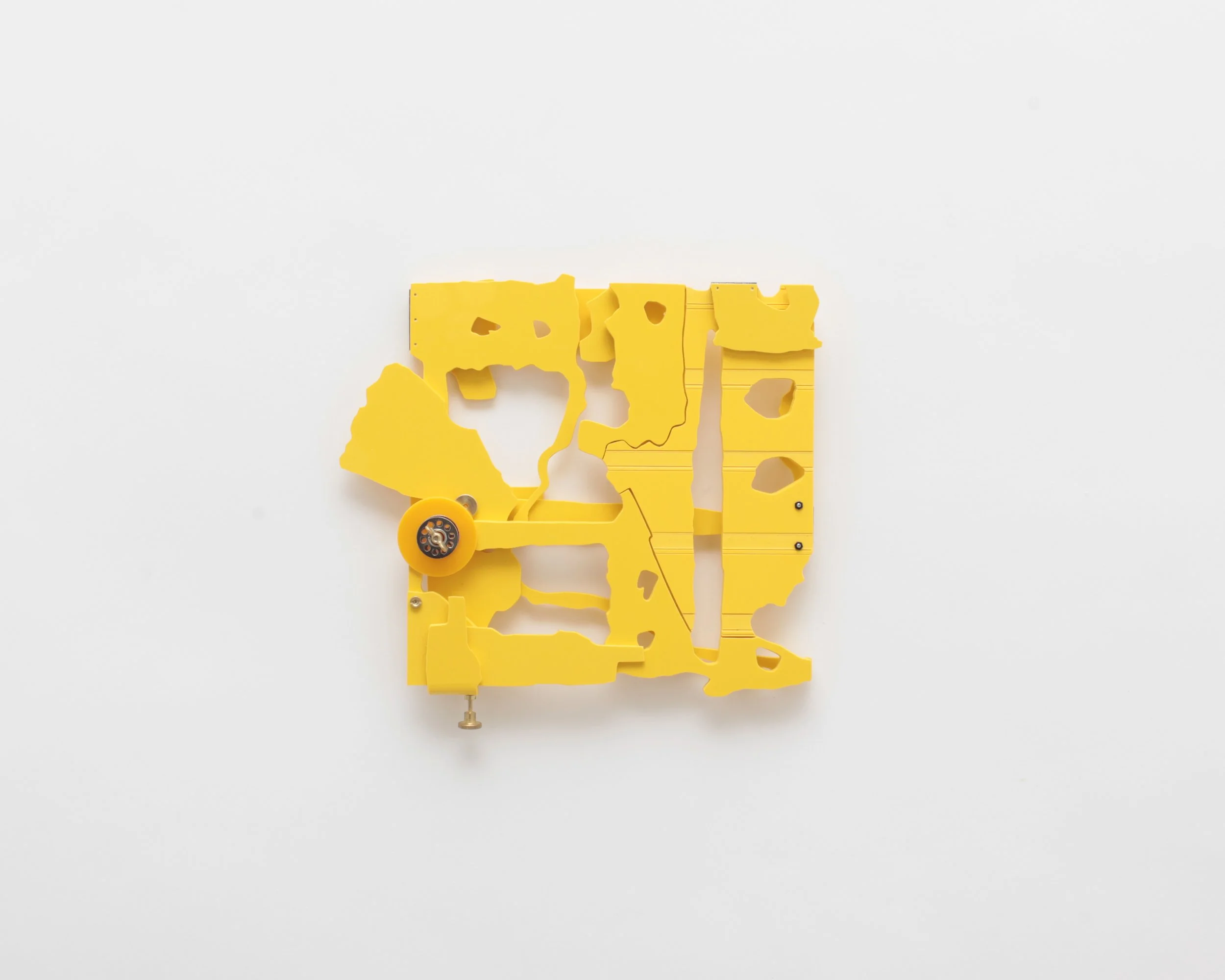
Ken’Ichiro Taniguchi
Berlin, Germany
@k.taniguchi_sculpture_studio
NIU Art Museum, DeKalb, Illinois, USA, 2025
Compressed PVC, brass, screws, hinges, acrylic plate, bobbin
9.45 x 9.06 x 1.97 inches
Ken’ichiro Taniguchi (born 1976 in Sapporo, Japan) is a sculptor based in Berlin and Sapporo. His work has been exhibited internationally, including at the Weserburg Museum of Modern Art (Bremen, Germany, 2001), the Hokkaido Museum of Modern Art (Sapporo, Japan, 2004), Museum Rotterdam (Rotterdam, the Netherlands, 2012), NIU Art Museum (DeKalb, USA, 2013), CODA Museum (Apeldoorn, the Netherlands, 2017), the Rijksmuseum (Amsterdam, the Netherlands, 2018), A4 Museum (Chengdu, China, 2019), Stadtgalerie Kiel (Kiel, Germany, 2020), and the Daejeon Museum of Art (Daejeon, South Korea, 2022). Taniguchi has created public sculptures for sites in the Netherlands in 2012 and Japan in 2018 and is the recipient of the 1st Hongo Shin Memorial Sculpture Award and fellowships from the Japanese Agency for Cultural Affairs and the Pollock-Krasner Foundation.
“In 2000, I encountered a crack in the floor whose shape profoundly affected me. Since then, I have used such forms as a motif in my work, calling them “hecomi.” The Japanese verb “hekomu” refers both to a physical indentation on a surface and to a state of emotional depression. I use the term “hecomi” to describe cracks, fissures, and damage created by time and nature on roads, walls, and other man-made surfaces. While hecomi are perceived negatively—as signs of decay or dirt—I extract their pure forms pictorially in order to reveal unexpected qualities such as strength, fragility, sadness, and quiet beauty. Over the years, I have collected approximately 600 hecomi from more than fifty countries and archived them as a library of forms.”
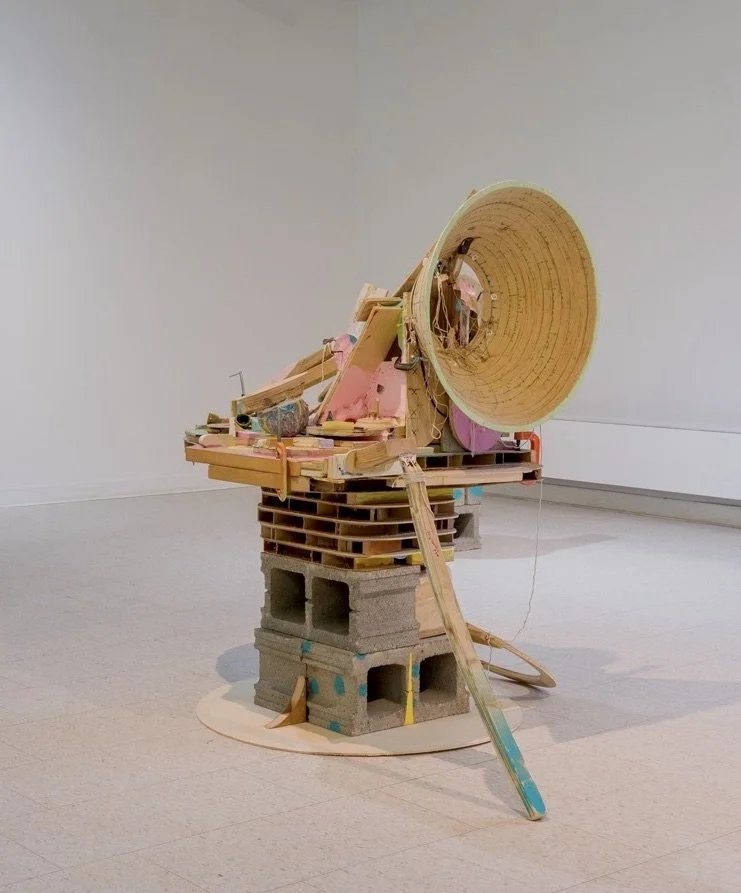
Travis Townsend
Lexington, KY
@travistownsendart
Renovated Model for a (mid-life) Space Craft, 2025
Wood, reclaimed door, concrete blocks, paint, clay, clamps, string, and an assortment of studio stuff
60 x 60 x 36 inches
Travis Townsend studied at Kutztown University (BS) and Virginia Commonwealth University (MFA) and has participated in residencies at Penland School of Craft, Oregon College of Art and Craft, Vermont Studio Center, and Peters Valley, among others. His sculptures and drawings have recently been exhibited at the Susquehanna Art Museum, Manifest Gallery, Athens Institute for Contemporary Art, Wharton Esherick Museum, Quappi Projects, and Washington State University. His awards include an Emerging Artist Grant from the American Craft Council, a fellowship from the Kentucky Arts Council, as well as grants from the Virginia A. Groot Foundation, a Southarts State Fellowship, and travel grants from the Great Meadows Foundation.
“I create wood and mixed media sculptures that are rooted in vessel-making and abstract painting, reference architectural models, and are layered over with drawing. My work evolves through layers of sketching, building, painting, and rebuilding—often over many years. Each piece accumulates marks and hand-built elements (measurement notations, globs of acrylic paint, wood joinery, band-sawn bowl forms), before emerging as functionless vessels, tool-like abstractions, or constructed paintings. Some works stem from the idea of a failed ark; others begin as surreal, cartoony plywood paintings. All follow a winding path, shaped by continuously redrawn sketches and travel through many transformations before being cut apart, reassembled, and reworked. These objects aim to feel both awkward and familiar, innovative and well-crafted in their own idiosyncratic way. They exist between clarity and disintegration, carrying a sense of history while embodying the joyfully absurd act of making art.”
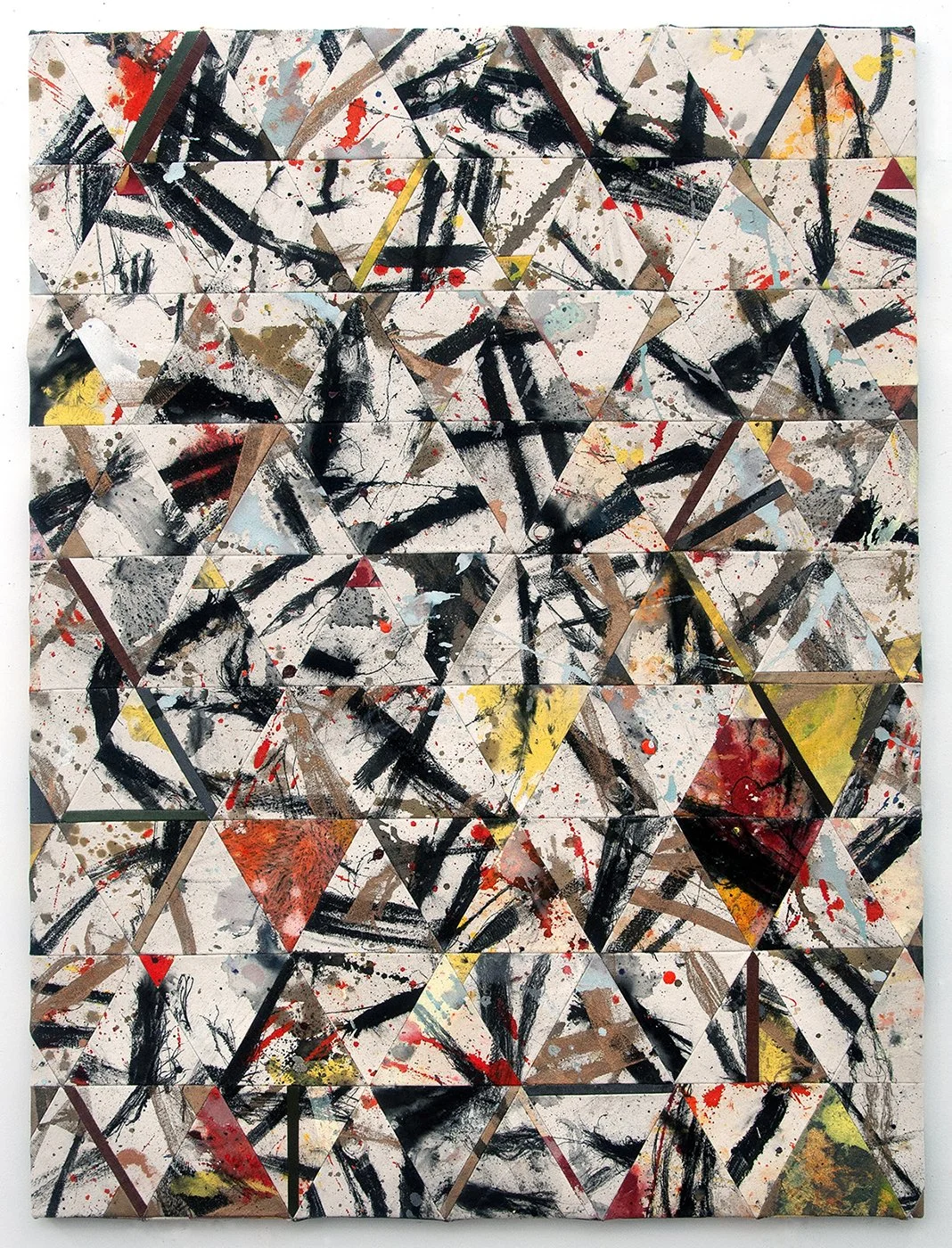
Jonathan VanDyke
Brooklyn, NY
@jonathanvandykestudio
Strike (v.1), 2024-25
Paint and inks on canvas, cut and sewn
41 x 54 ½ inches
Jonathan VanDyke grew up in the countryside in Pennsylvania and has been based in New York City since 2001. He received his BA from Washington and Lee University, received a Rotary Ambassadorial Fellowship for post-graduate study at the Glasgow School of Art, received an MFA from Bard College, and attended the Skowhegan School. He serves as an Artist in Residence at Bard College, a Visiting Faculty Fellow at The University of Alaska Fairbanks, and is graduate faculty at The Pig Iron School in Philadelphia. Residencies including Yadoo, Loghaven, and The Atlantic Center for the Arts. He has had solo exhibitions throughout the United States as well as in Denmark, Germany, Italy, and Uruguay.
“For years I worked in the studio with queer dancers and performers, choreographing mark-making gestures as they moved atop large canvases. From dancers I learned how body movement, expressed abstractly, is a form of language without words. I cut these canvases up into patterns, drawing from Pennsylvania German and Amish craft motifs, ancient floor tile assemblages, and weavings: patterns that surround the body. Eventually I began to gather the clothes of friends and family as raw material. I paint and stain these bits of fabric through slow and incremental processes of accrual. After a serious accident in 2017 and through the isolation of the pandemic, I am devising differently, creating more elaborate marks, utilizing more complex patterning, and experimenting more widely with textiles and pigments. I conceive of my recent paintings as tools for slow looking, for visual discovery and meditation, a purposeful counterweight to distraction: tactile and humanistic in a splintering world.”
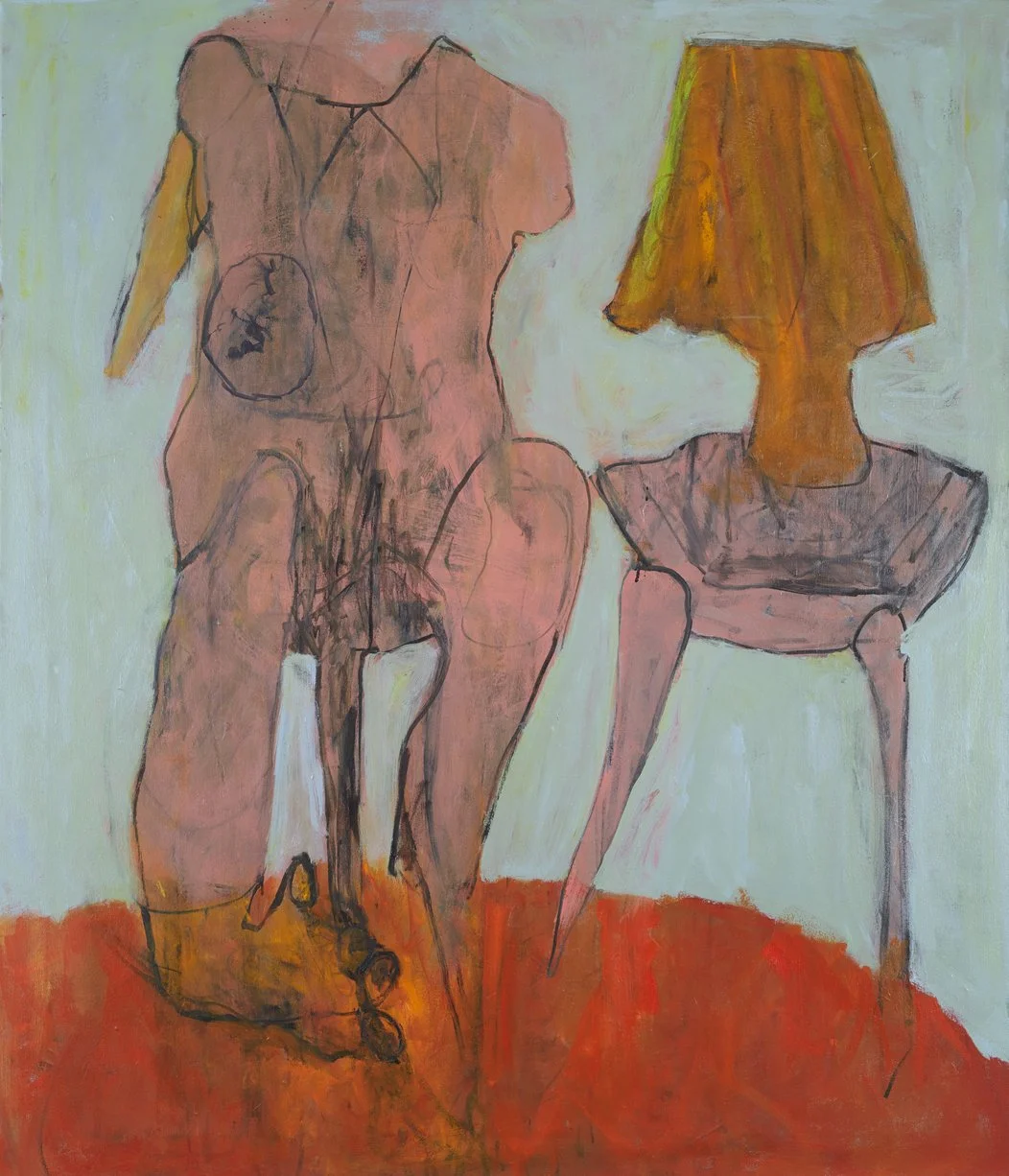
Josephine Wood
London, United Kingdom
@josephinewood_artist
The Primal Thing (1)
Oil and acrylic on canvas
47.2 x 55 inches
Josephine Wood holds a BA in Fine Art from Goldsmiths College, London, 1998 and a Postgraduate Diploma in Fine Art from Chelsea College of Art & Design, London, 2006. Her work has been exhibited widely in the UK and internationally. Publications include Sight and Sound, Garageland Reviews, and Saatchi Gallery’s Art & Music Magazine. She has taught at the Essential School of Painting, South Bank Colleges, and Chelsea College of Art & Design, London, and given artist talks at The Reading School of Art, University Centre St Helens, Liverpool Independent Biennial 2023, Turps Gallery, and Westminster University, among others. She was awarded the Gottlieb Foundation Individual Support Grant in 2024.
“My figurative paintings are based primarily around the body and the domestic/home environment. A recurring idea in my work is to turn the mundane into something monumental. In my paintings, everyday interactions between the body and the environment are heightened and become absurd or comical, sometimes horrifyingly so. My figures are fragmented and disjointed; severed limbs intertwine with household and domestic objects such as tables and lamps. The boundaries between subject and object are disrupted, and the body and the interiors almost collapse, both materially and conceptually.”